In Conversation with Jonathan Todryk
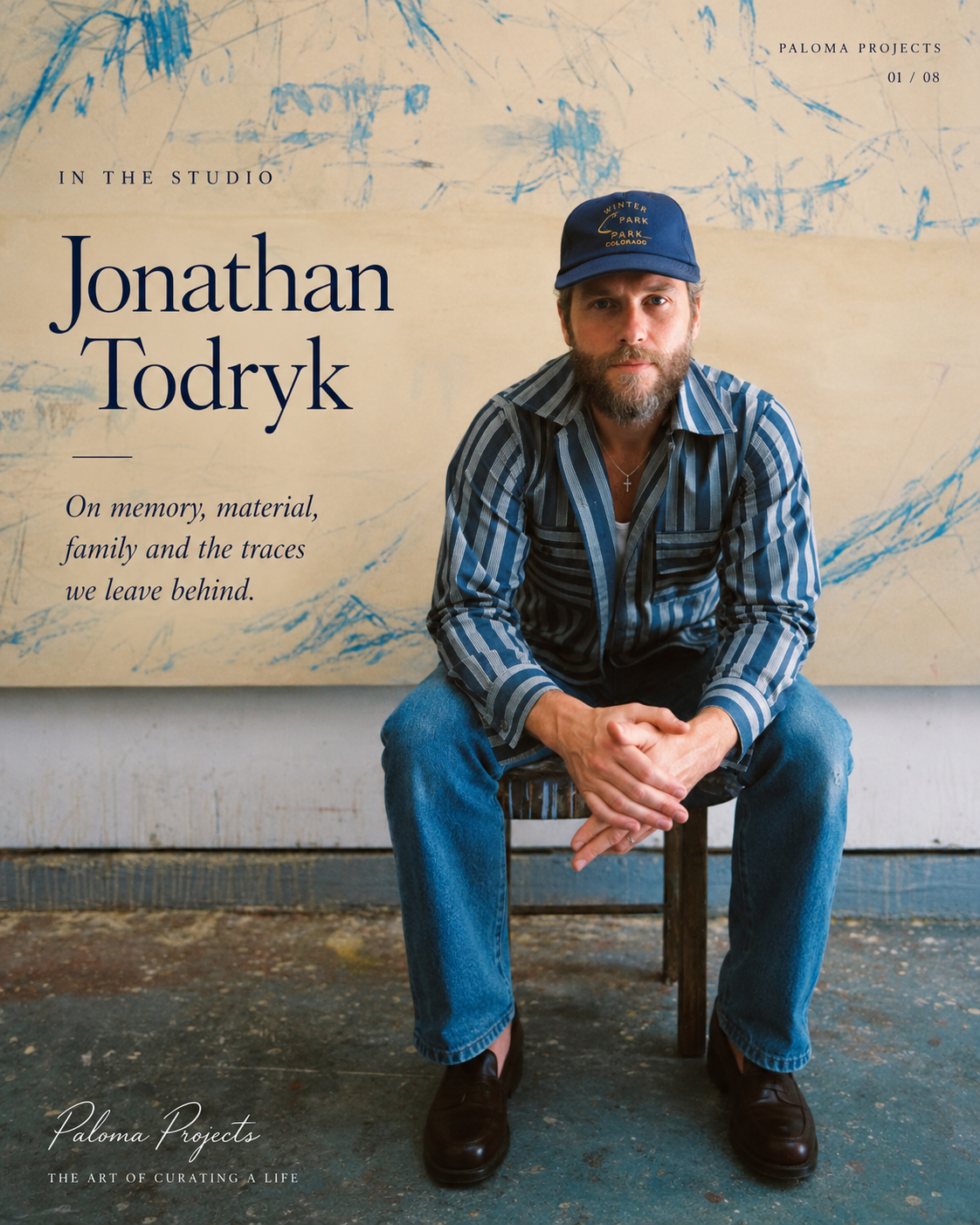
Image Credit: from artist
About the Artist:
Jonathan Todryk (b. 1984, Minneapolis) is an abstract painter based near Dallas, Texas. Immersed in creative practice from an early age, he first pursued music before committing fully to painting in 2017. Working with raw pigment, water, and oil on canvas and linen, Todryk embraces an intuitive, tactile process that allows gesture, chance, and the natural behavior of his materials to shape each work. His recent paintings explore memory, family, stillness, and the quiet, everyday moments that often become the ones we value most.
The Interview
Paloma: You started out immersed in music before fully committing to painting in 2017. What was happening in your life at that point that led you to make that transition?
Jonathan: Well, art and music were always a part of my life since around 9-10 years old. I dreamed of being a drummer and spent my early adult life as a professional drummer and traveling the country. Art was something I’ve always done but more so for myself and the enjoyment of it.
The transition from music to painting took many years and is separated by chapters of my life. By 2017 I was already married to my amazing wife, Jessica and we had two wonderful kids, Gabby and Judah. I had spent the last 7 years or so working various jobs and taking care of them the best I could. Music and art had taken a back seat during this time and because of that I felt something was missing in my life. Eventually that led me to painting late into the night after work each day.
P: Was there a particular moment or experience when you realized painting was something you wanted to pursue seriously?
J: Yes. I became obsessed with painting during this time and honestly it was all I could think about. There was this point that I realized being an artist was a part of my identity. Then came the faith and the risk. As a husband and father and the main provider for our family I faced a lot of fear making the decision to actually commit to it. But I will say the fear of regret was much bigger for me. During this time I remember holding on to this story in the Bible when Peter sees Jesus walking on the water and says to him, “Lord if it is you, command me to come to you on the water”. Jesus says “come” and Peter steps out of the boat onto the water.
P: What changed for you when painting went from something you were exploring to something you were fully committed to?
J: For me the exploring never ends but the commitment has given me the space and the time to continue to learn and grow as an artist and to discover my voice.
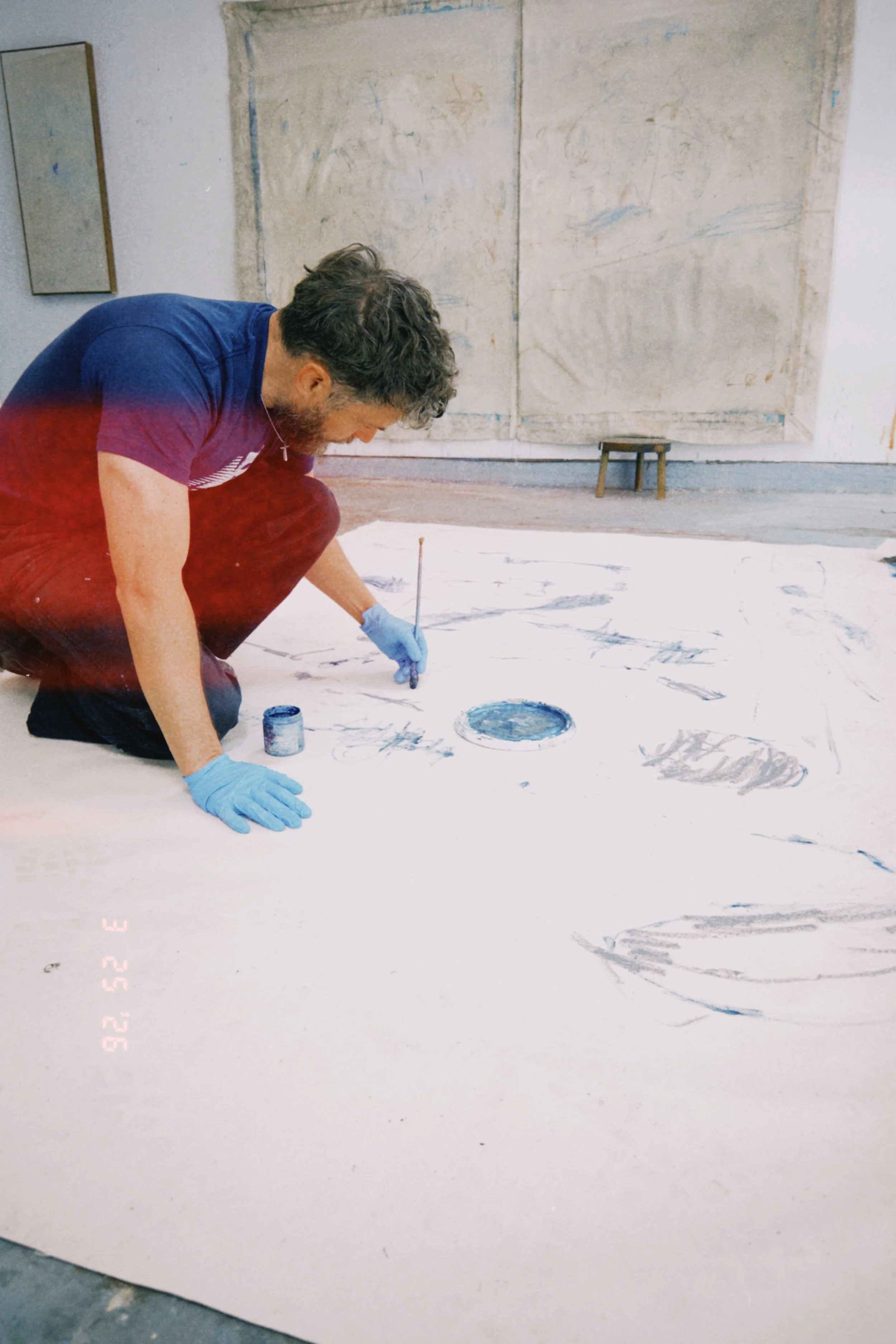
P: Can you walk me through what actually happens when you begin a painting?
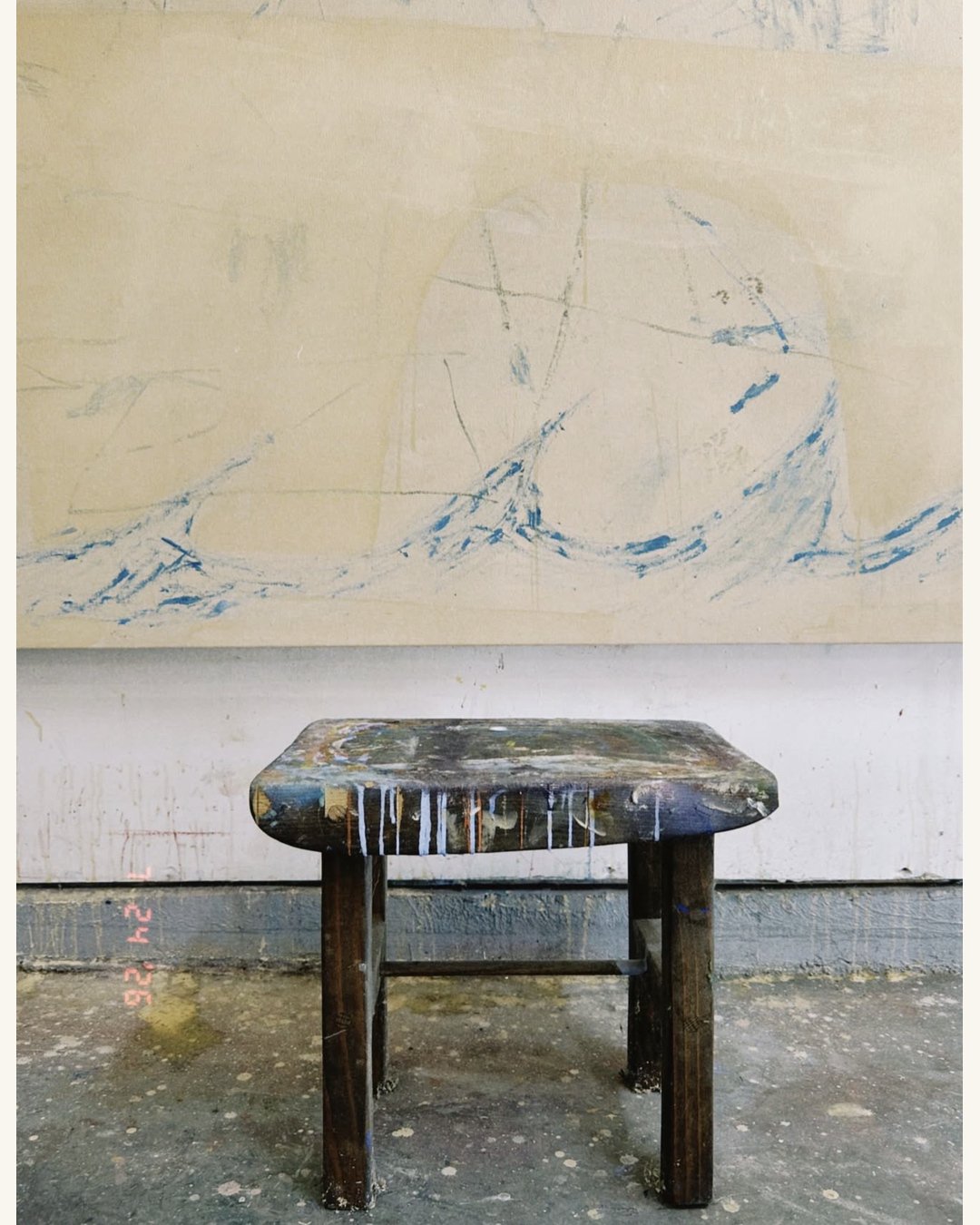
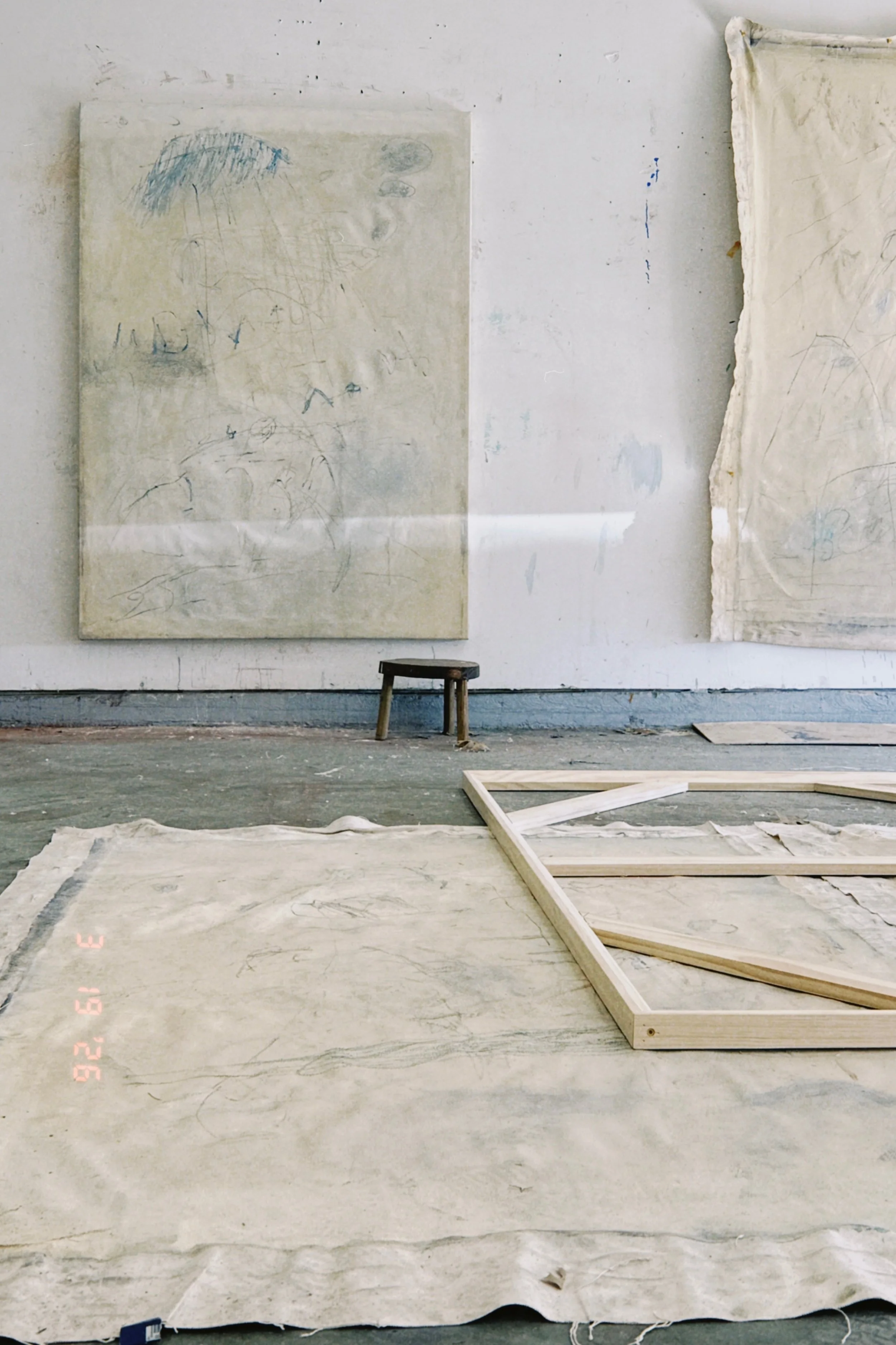
J: A painting for me begins with a roll of canvas on the studio floor. It starts as a record of what is happening in the studio at the time. So I will work previous paintings on top of a canvas and over time it collects its own marks and stains. By the time I actually approach it as a painting it already has its own sense of history.
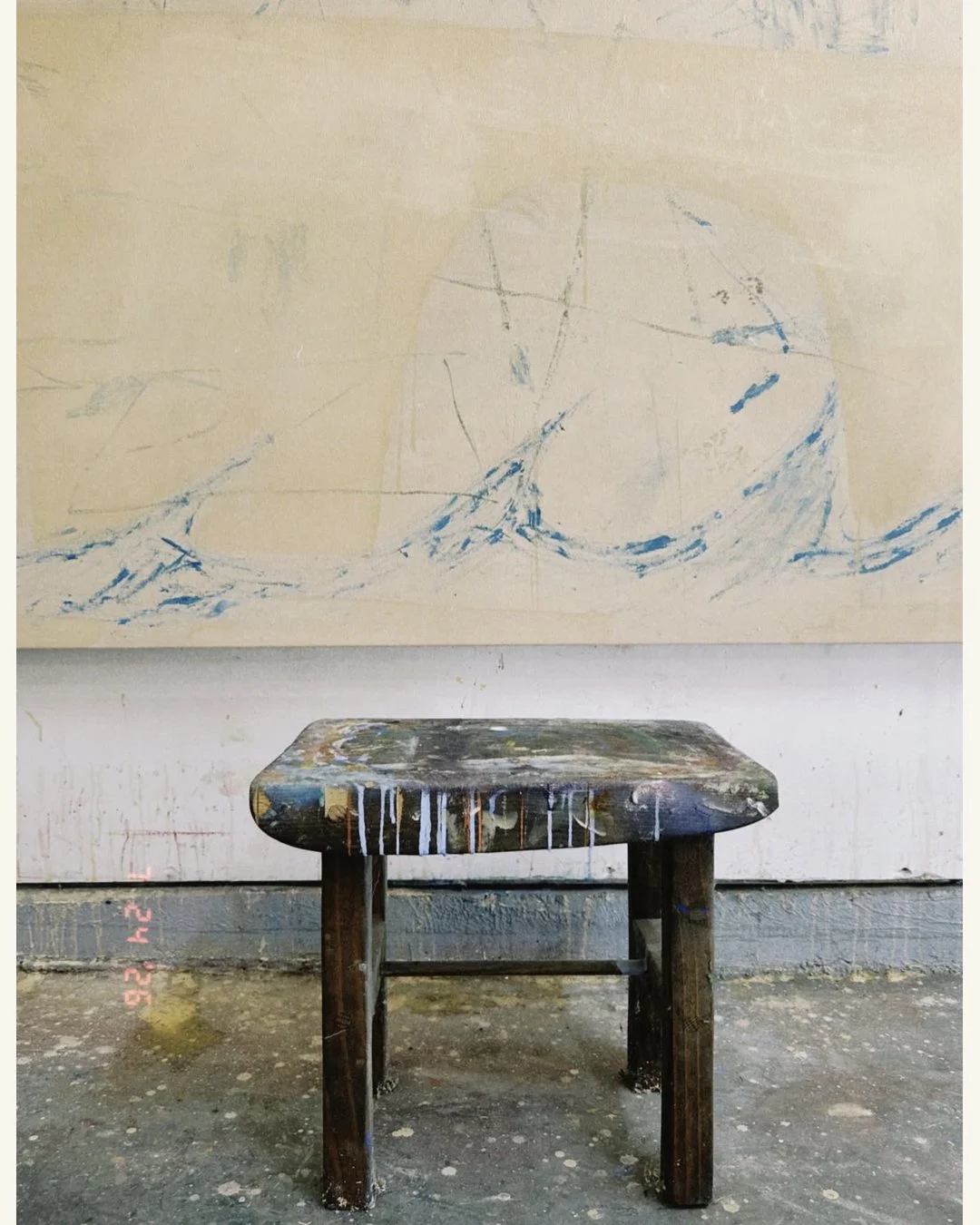
P: You work with raw pigment, water, oil, canvas, and linen, and often use your hands. What draws you to those particular materials?
J: Raw pigment is extremely beautiful, but it is also delicate, messy, and difficult to control. Those qualities are what I love about it. It responds to the water and oil in ways that I can’t always predict, and I like that. It is a great record keeper and it’s difficult to hide the marks it leaves on the canvas. I’m drawn to materials that show evidence of the process rather than allowing me to completely control or cover it up. Using my hands also keeps that process very direct and physical.
P: How important is chance or accident within your process?
J: Chance is important to my process, but I don’t think of it as being separate from intention. I create certain conditions and then allow the materials to behave in ways that I can’t fully predict. What happens between what I intend and what the materials do becomes part of the work.
I don’t really think of those moments as accidents. I don’t try to hide or correct what happens during the process. Once something happens, it becomes part of the painting, and I respond to it rather than trying to make the painting fit some predetermined idea. The work develops through that back and forth between what I intend, what the materials do, and how I respond to what I see.
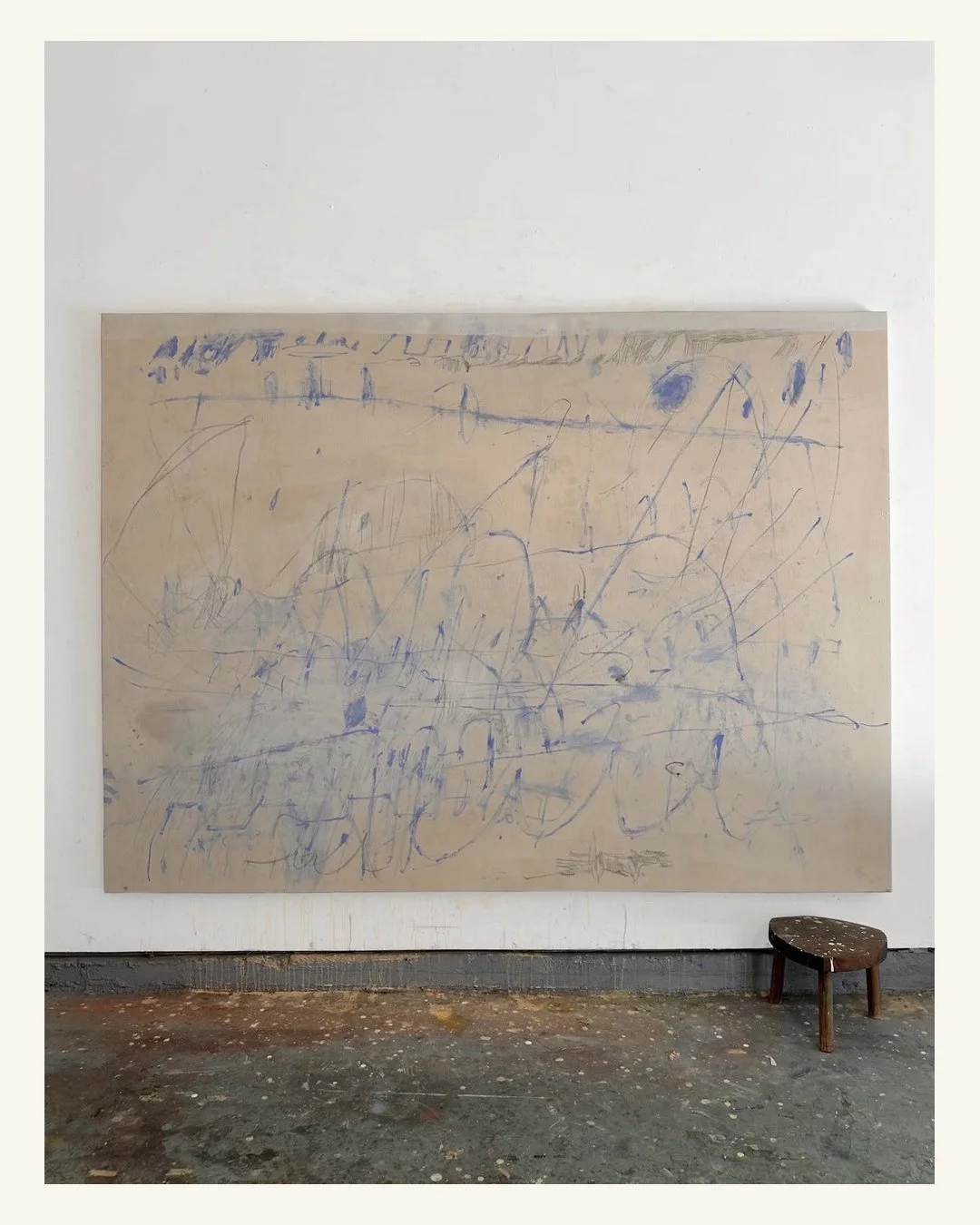
P: Are you hoping the viewer experiences a similar slowing down when they encounter the work?
“I think of the work as an invitation in a way. An invitation to remember what is valuable in this life. I want to remember my children’s laughter, evening walks with my wife, the tears, the doubt, the sleepless prayers and my morning coffee. Maybe the work can help someone else remember too.”
- Jonathan
P: Who or what has influenced your practice most deeply?
J: My wife, my kids and Jesus.
P: Is there a specific idea or question driving the paintings you're making today?
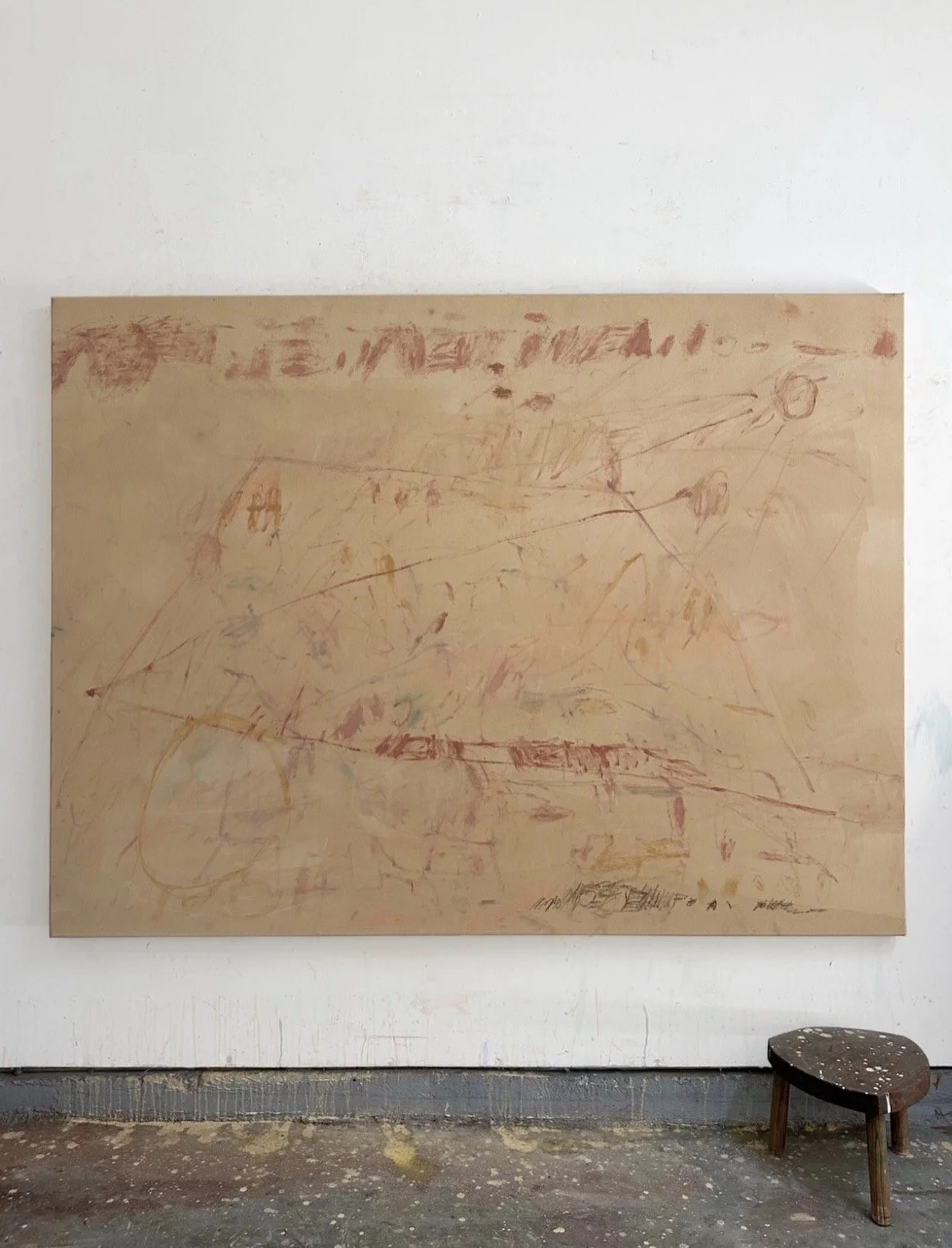
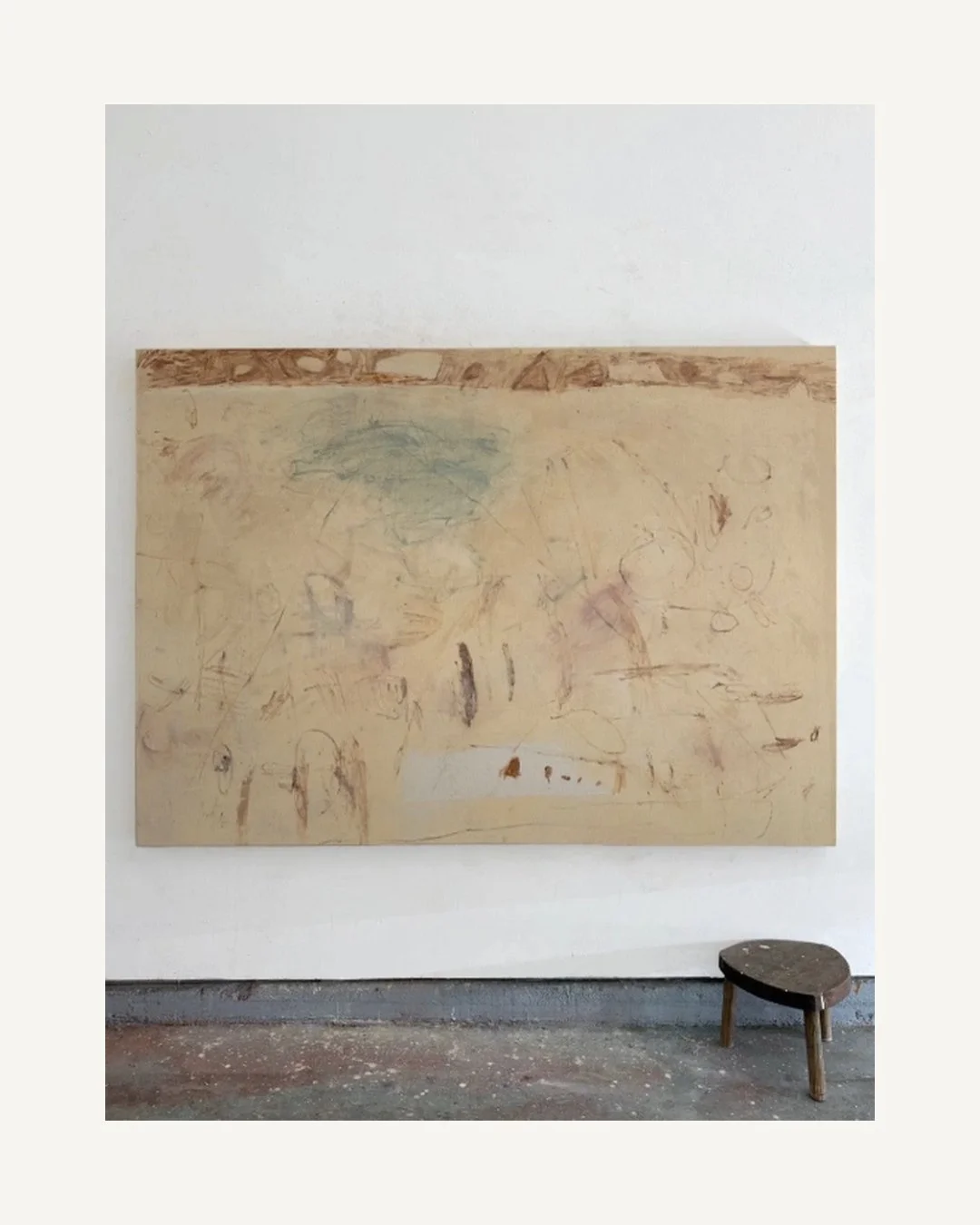
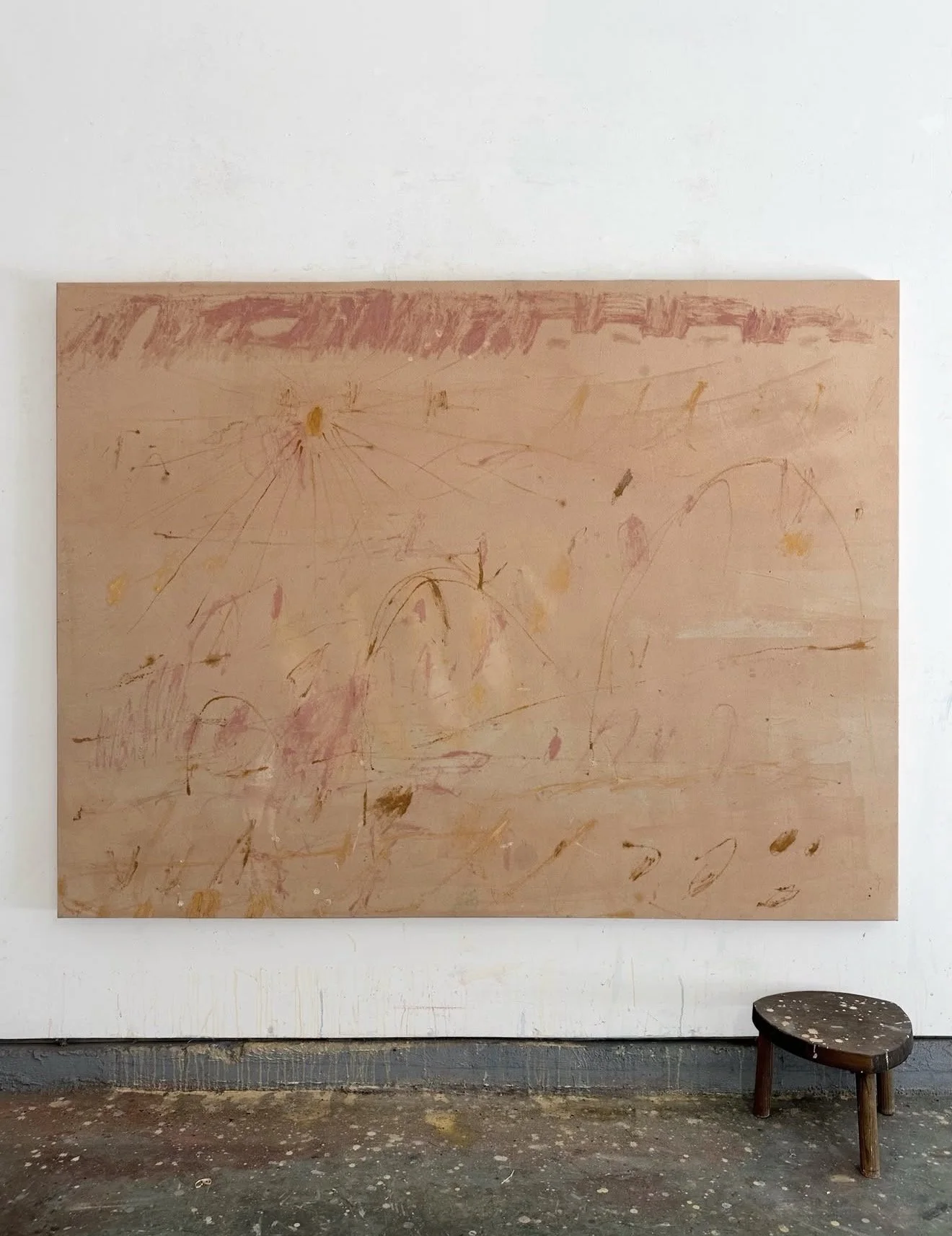
J: Yes. There are several thoughts that keep coming back to me. They have a lot to do with home, family, peace, and remembering the small, seemingly insignificant moments in life. The moments that are easy to overlook but often end up being the ones that matter most. I think the titles of my work reflect this the most in, “I want to remember it all”, “birds of the air, no worry, no care” and “and we walked, full of life”.
I want to Remember it all , 2026
66” x 50” in.
P: How do you choose what color palettes you want to work with in a given piece? How important is the color to the abstract within your pieces?
J: The colors are just as intuitive as the work itself. I think the colors often reflect a feeling or thought, but sometimes the colors cause a feeling or thought. I don’t always know why I’m drawn to a certain color combination, but I usually know when it feels right.
P: Is there a painting from this recent body of work that feels especially important to you? Why?
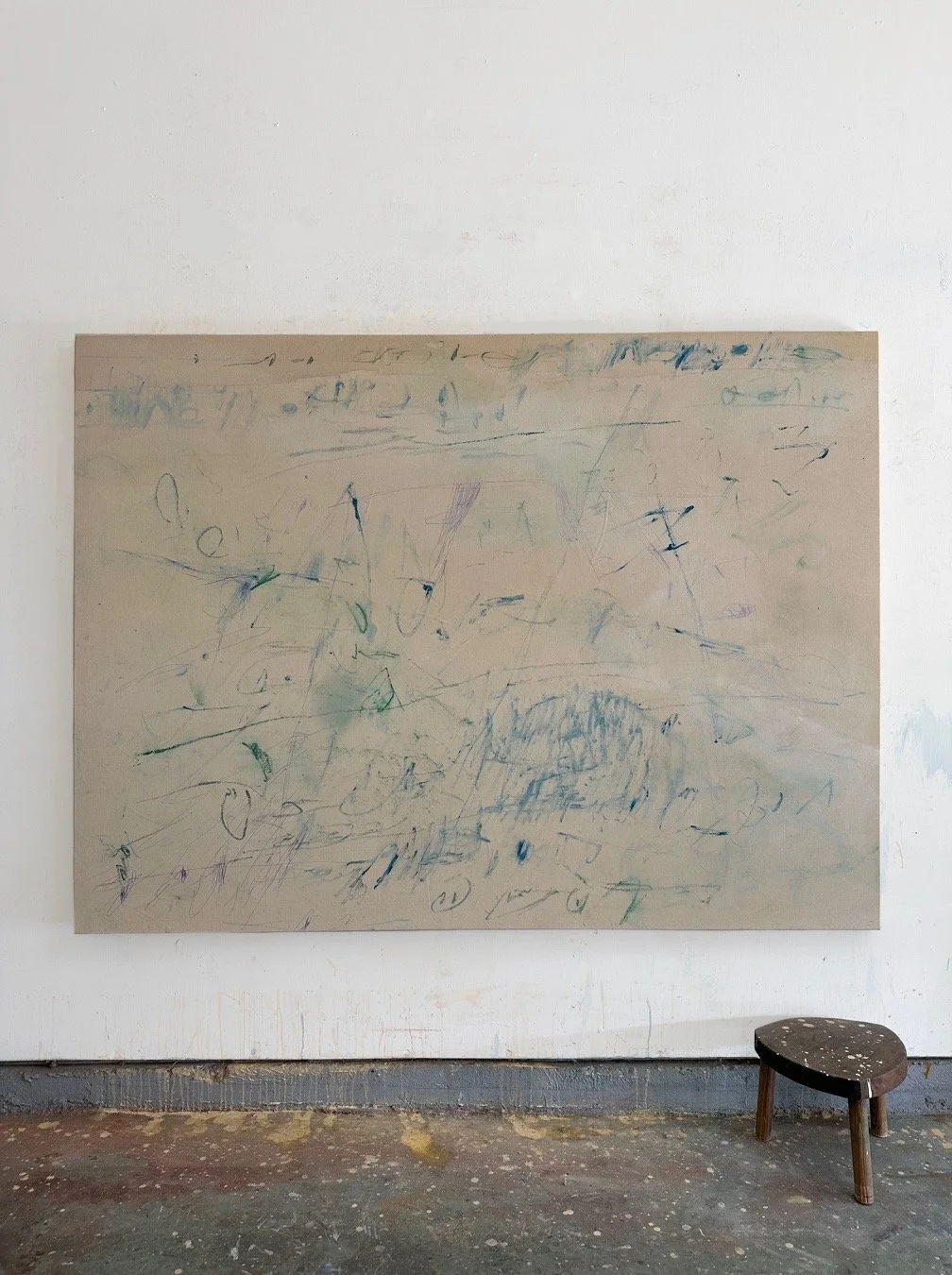
J: Yes, there are two that feel especially important to me. One is “Ordinary Treasure” and the other is “and we walked, full of life”. Both of these works feel especially poetic and personal to me. There is something about them that feels difficult to put into words, but they hold a feeling that is important to me and I feel I was able to communicate that visually.
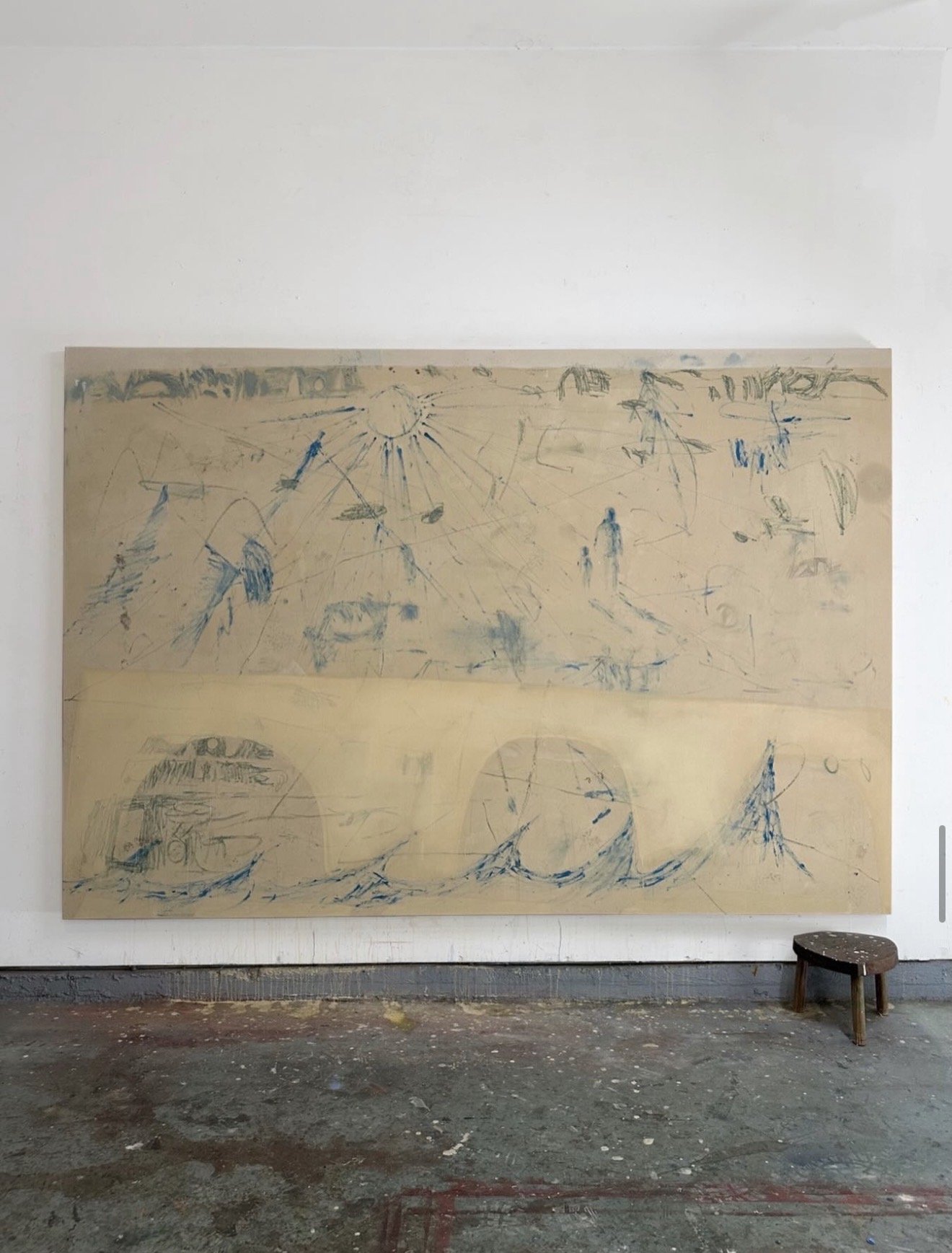
And We Walked Full of Life, 2026
96” x 66” in.